Learn together
GCS Journal
Read GCS perspectives on early childhood, multilingual development, culture, creativity, learning, and family life.
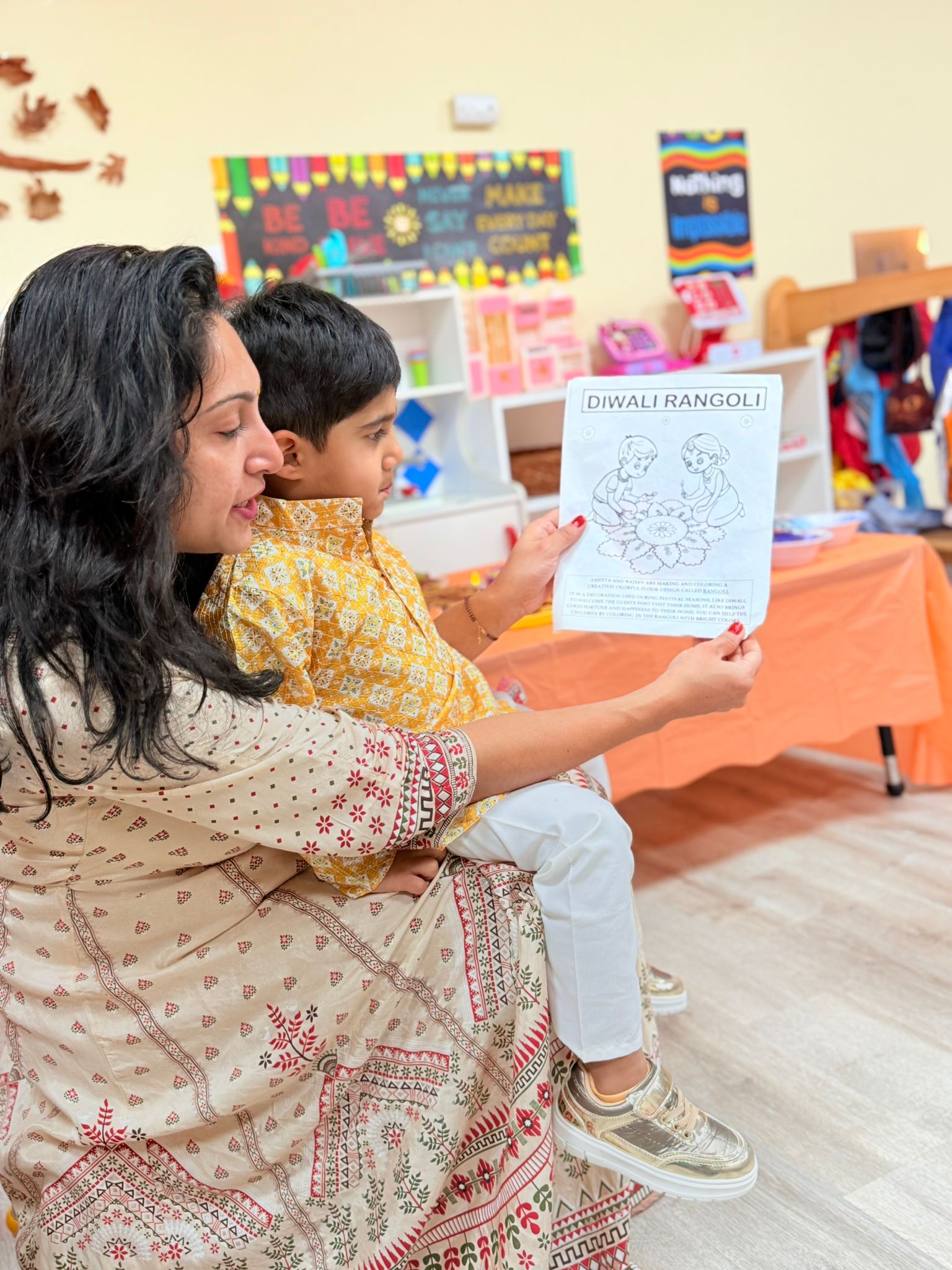
Ideas for growing global citizens
The GCS Journal explains the thinking behind Early Global Education: multilingual development, identity and belonging, intentional play, project-based inquiry, unified learning environments, global competence, and the daily decisions that turn philosophy into practice.
Meet our school →Understand how young children think, communicate, investigate, and grow.
◎Explore language learning, culture, identity, and global perspective.
✦Find practical ideas that support curiosity, confidence, and connection.
↗The GCS article library
Explore the full collection of GCS writing on early development, multilingual childhood, intentional play, global education, and choosing a school.
Subscribe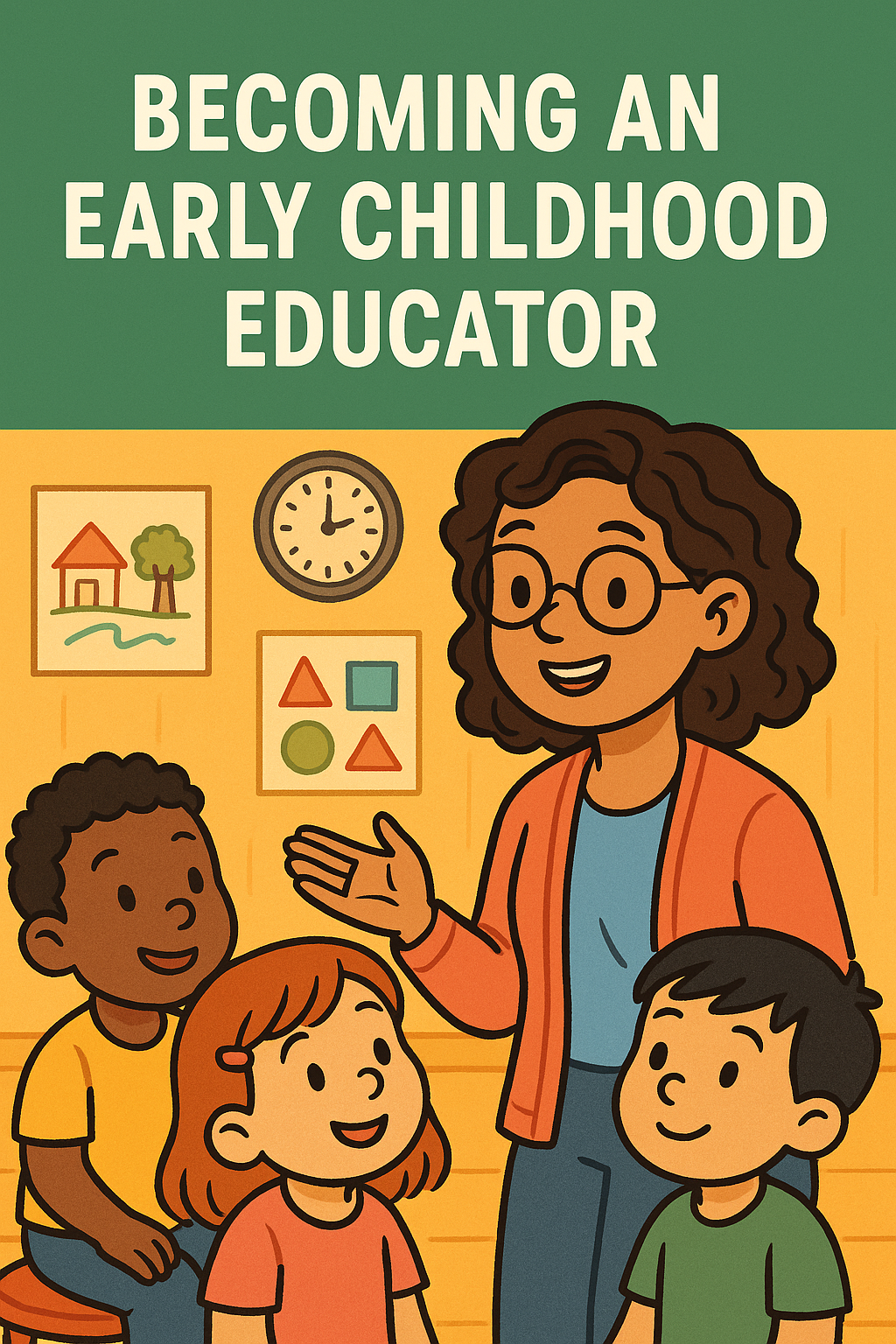
Thinking of becoming an early childhood teacher? Explore the responsibilities, teaching styles, and professional growth opportunities in multilingual early education environments.
Read article →
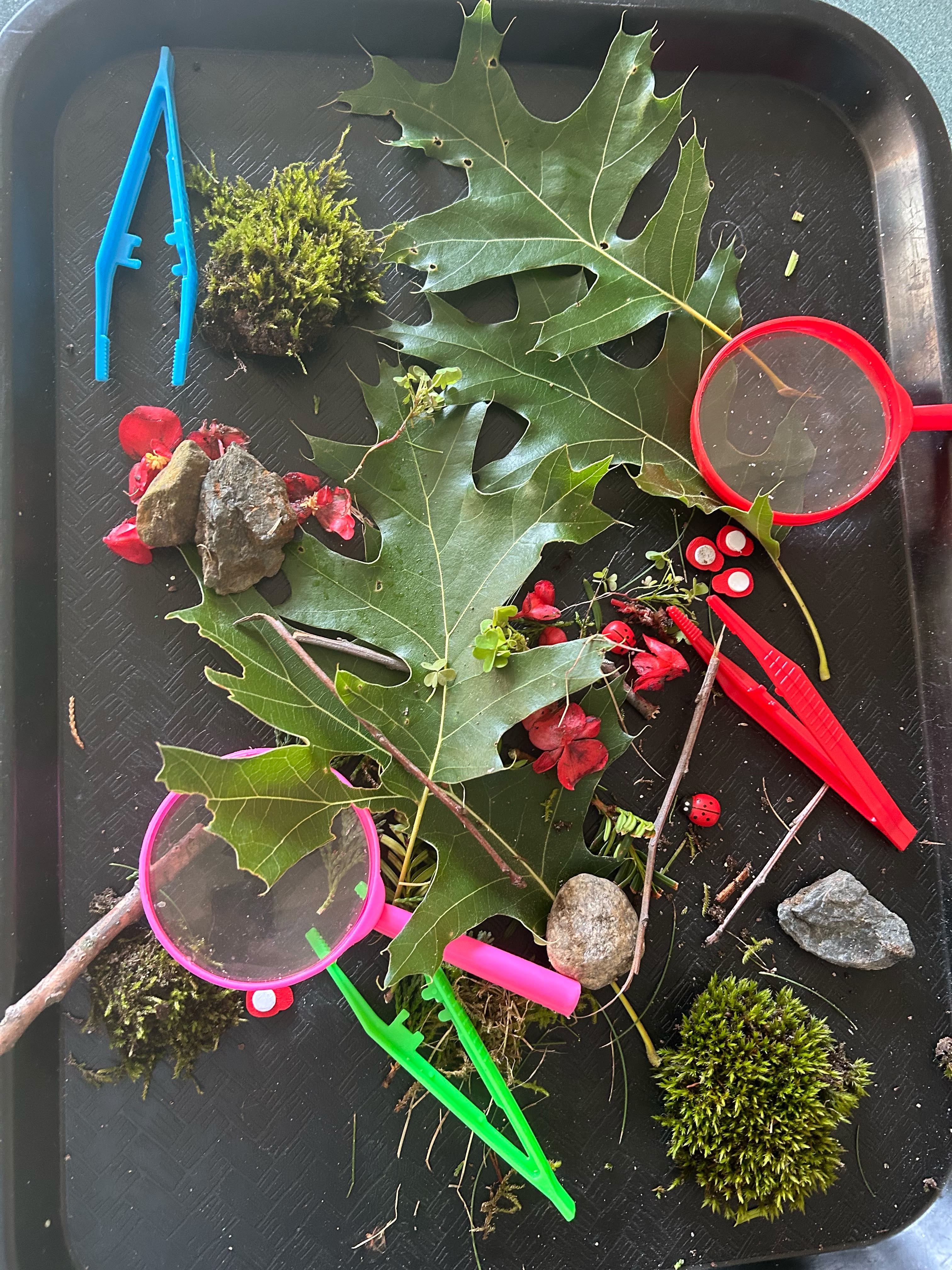
Children Playing Outside in Any Weather
Read article →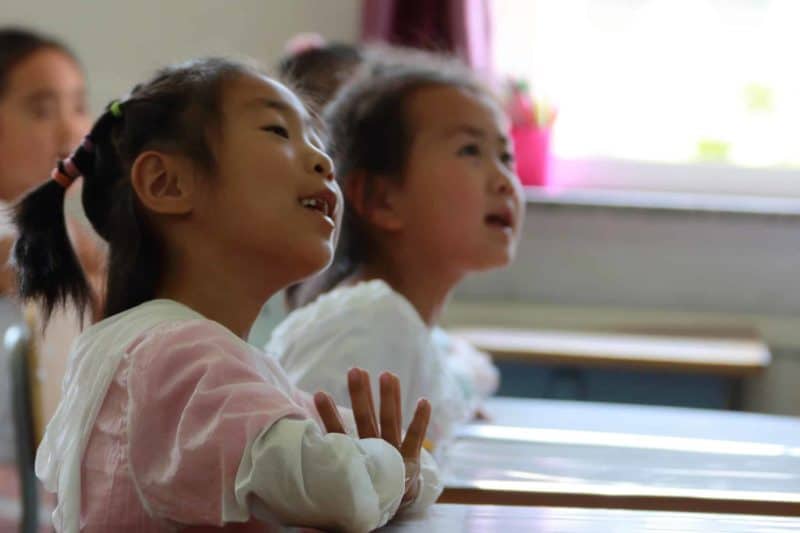
How children develop a global perspective through languages, international music and literature, cultural learning, technology, and connections across the world.
Read article →
Movement, Music & Dance, Simple & Fundamental
Read article →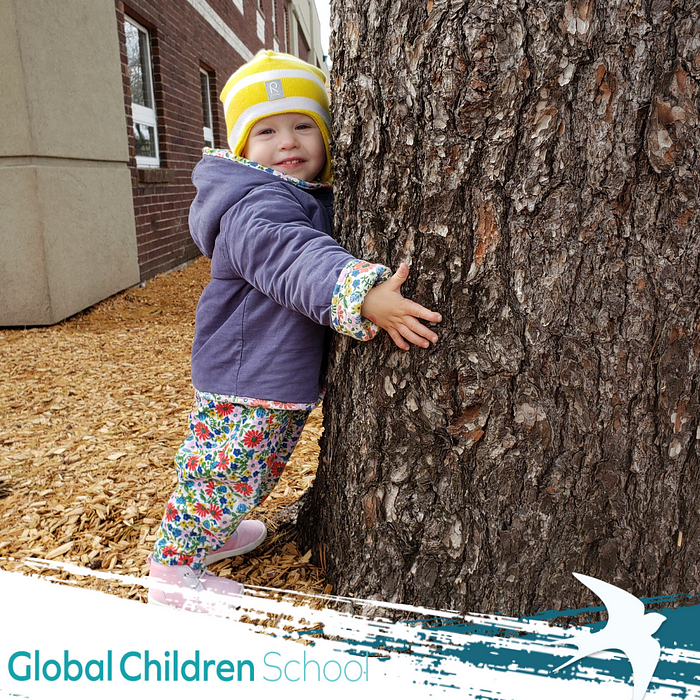
Multilingualism: The Benefactor of Success
Read article →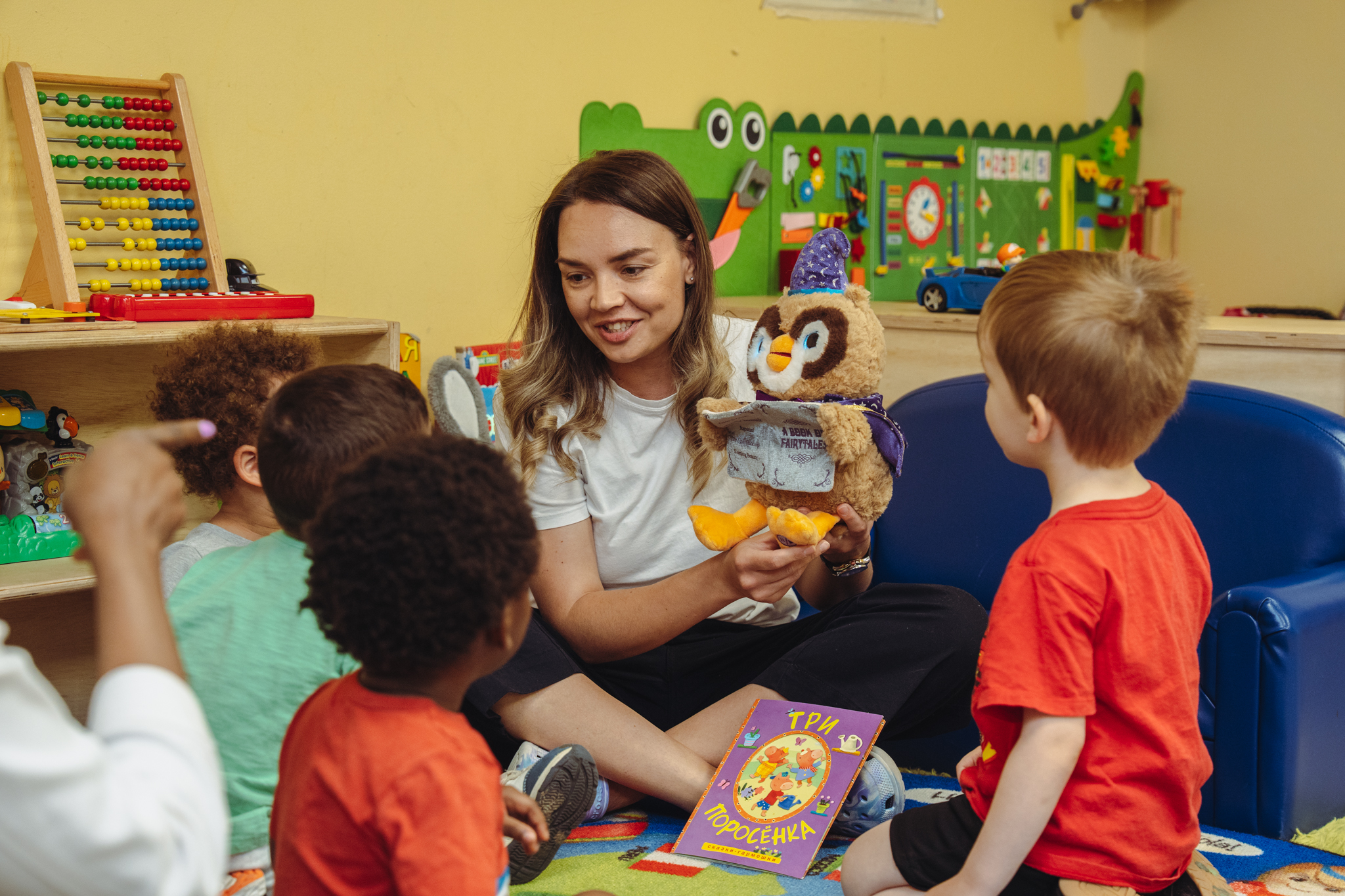
At Global Children School, children begin speaking two languages naturally through play and daily routines — strengthening their brains, boosting academic success, and building confidence for life.
Read article →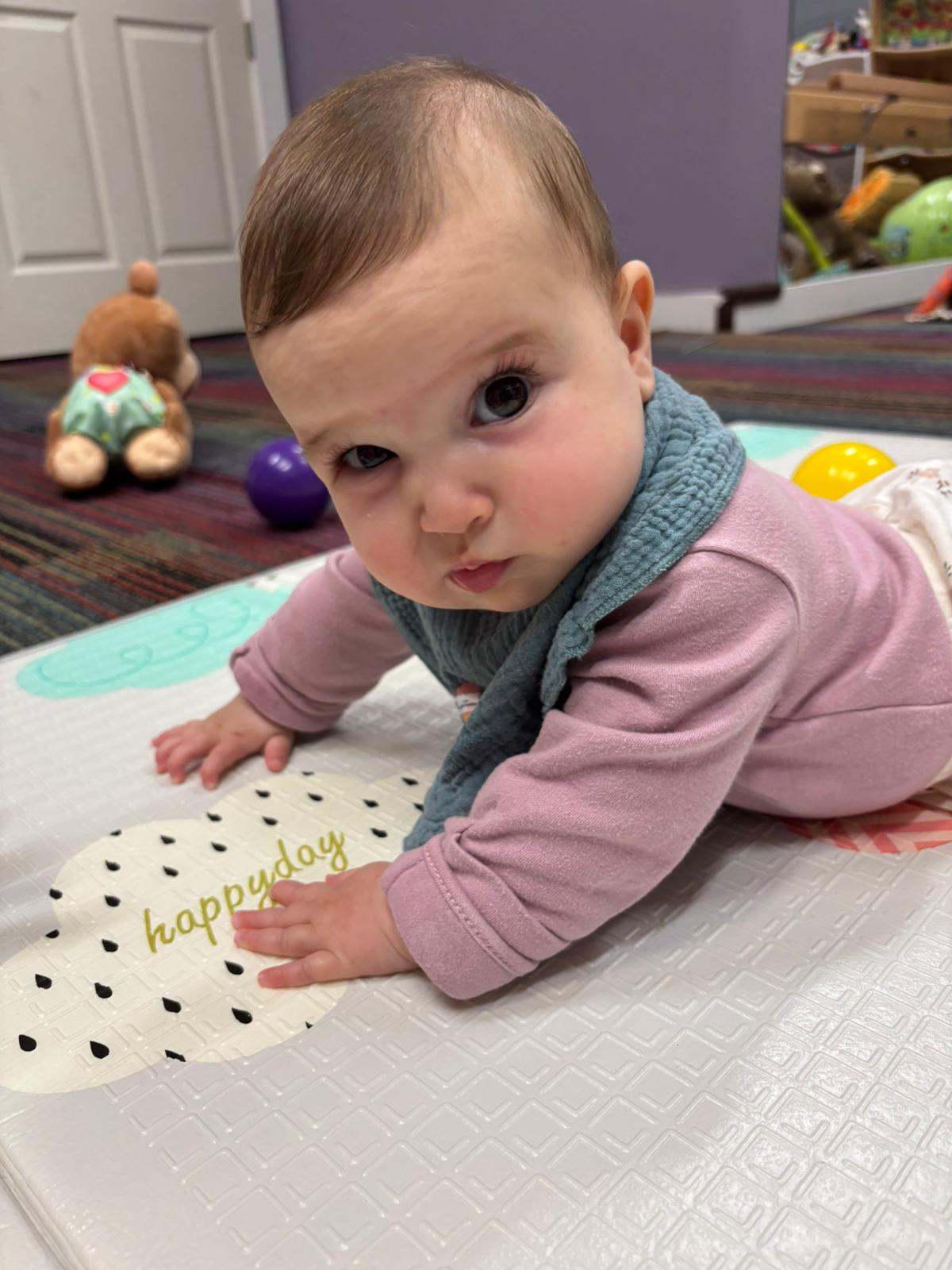
Babies are born ready to learn any language. Learn how early exposure in a multilingual daycare supports brain development and lifelong benefits.
Read article →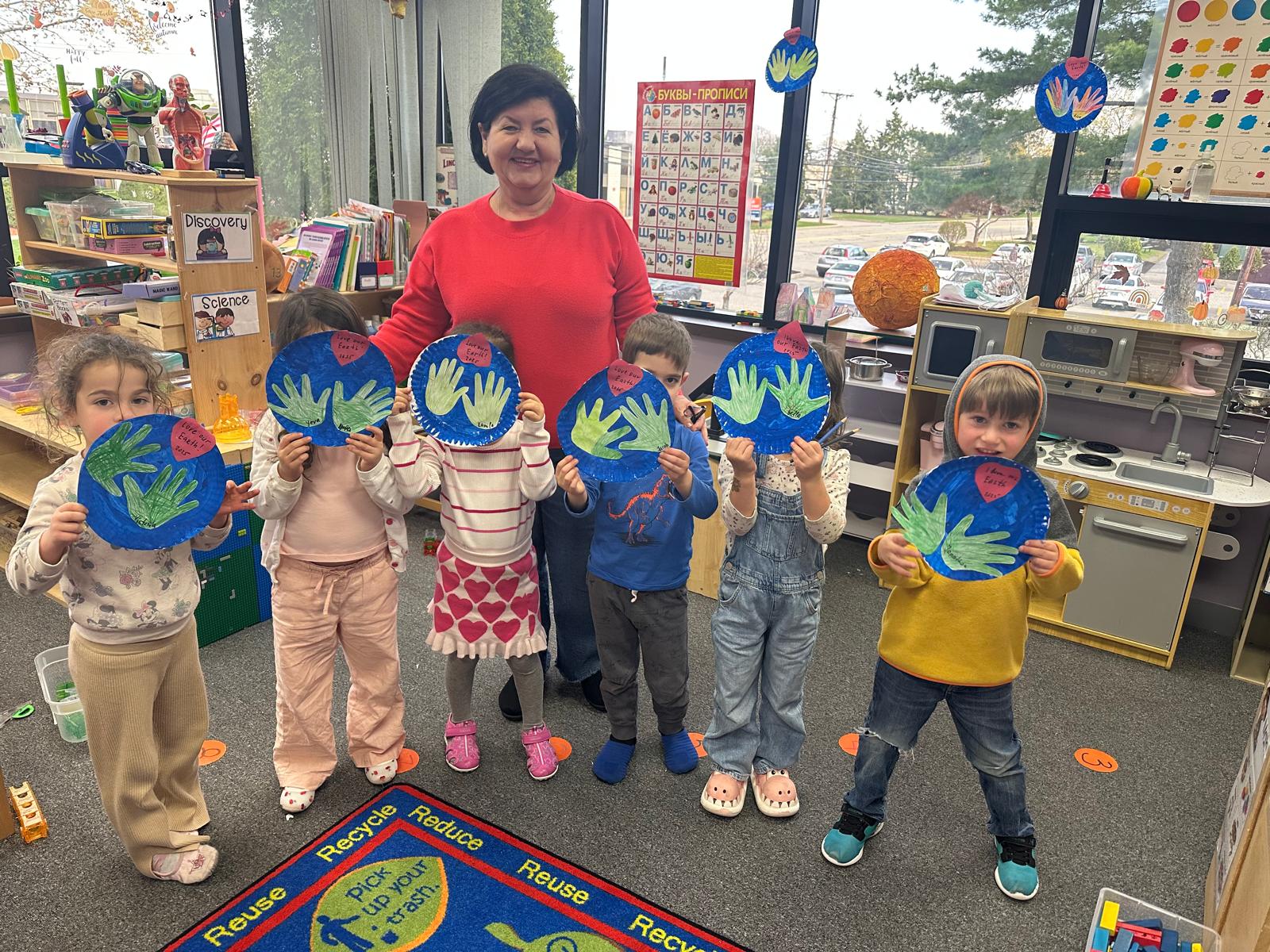
Discover how to choose the best daycare or preschool for your child’s future. This guide walks new parents through what to look for—from teacher quality and curriculum to environment and parent communication—to ensure a nurturing, enriching, and developmentally sound early education experience.
Read article →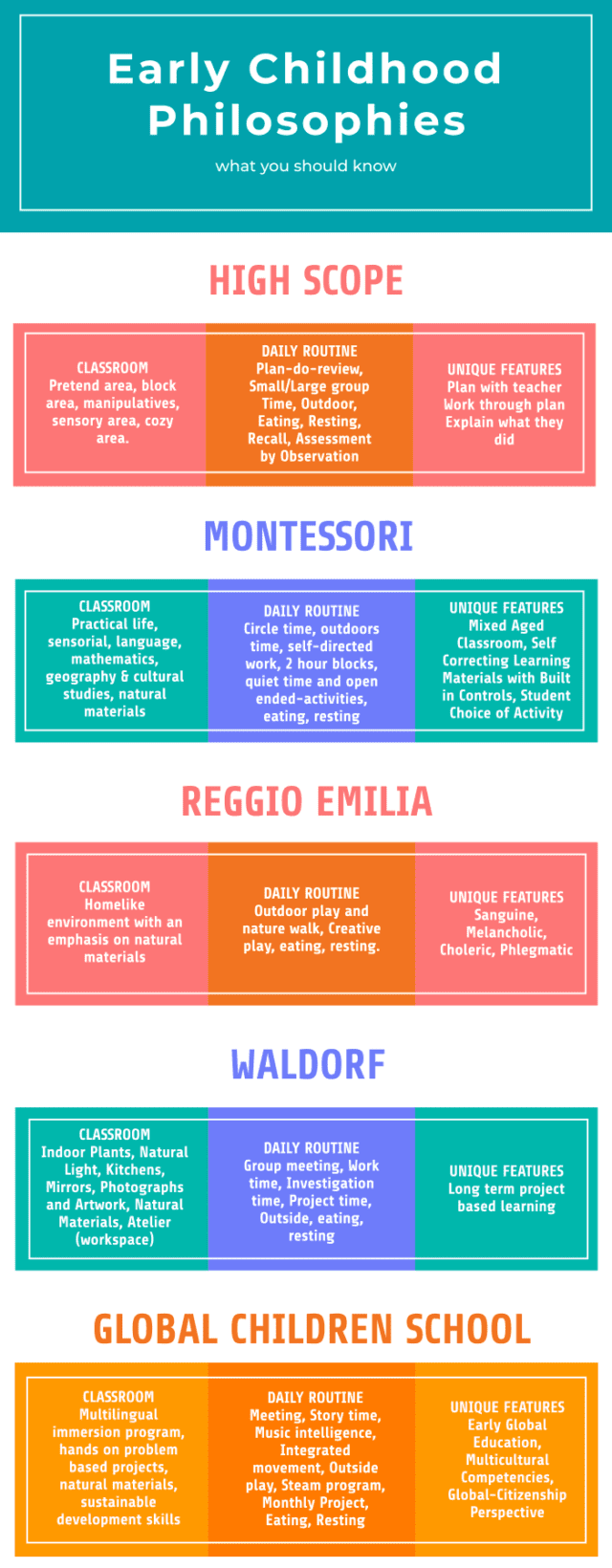
An introduction to Montessori, Reggio Emilia, Waldorf, HighScope, and early global education philosophies for supporting children's learning and development.
Read article →
Research-backed resources on early childhood development
Read article →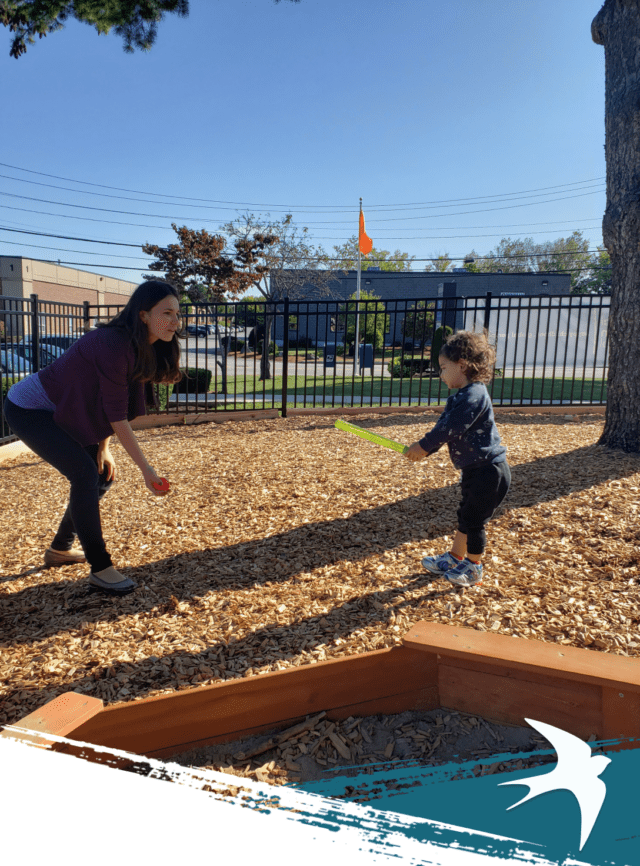
How Bilingual Brains Grow: A Parent’s Guide from Birth to Age 6
Read article →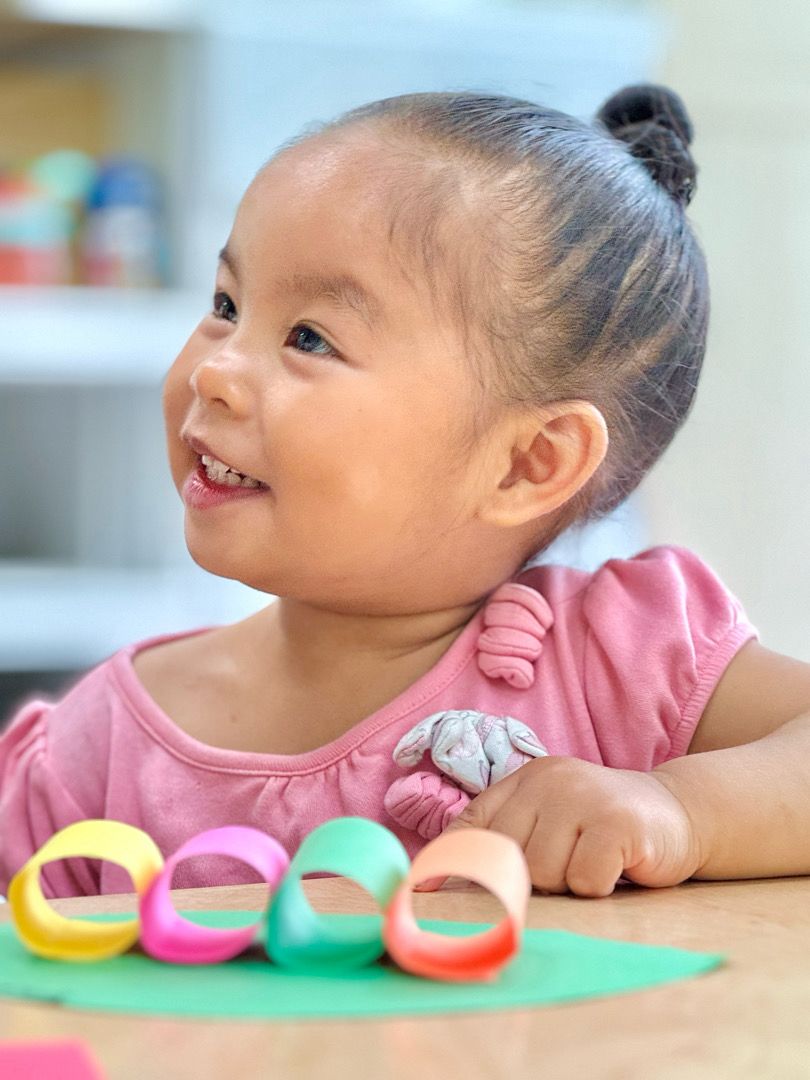
Neuroscience shows that early multilingual exposure shapes the brain in powerful ways: enhancing focus, problem-solving, empathy, and long-term academic success. From the womb to the classroom, children thrive when surrounded by multiple languages.
Read article →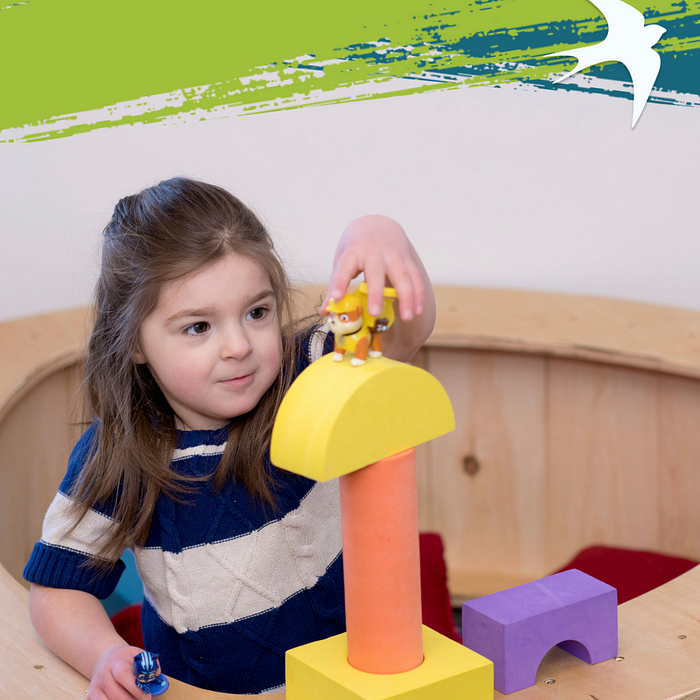
The Myths of Global Education
Read article →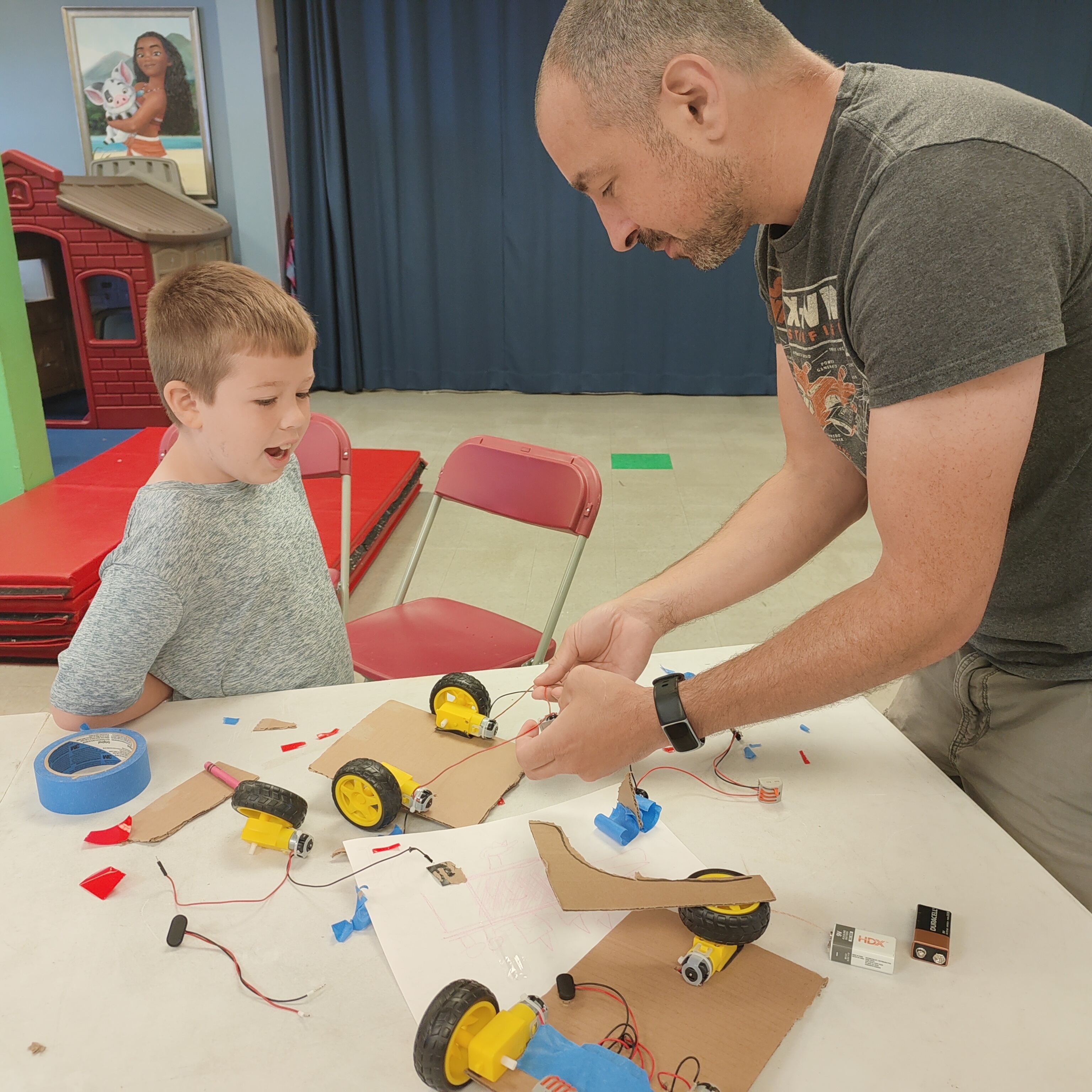
More Than a Teacher: The Heart of Early Global Education
Read article →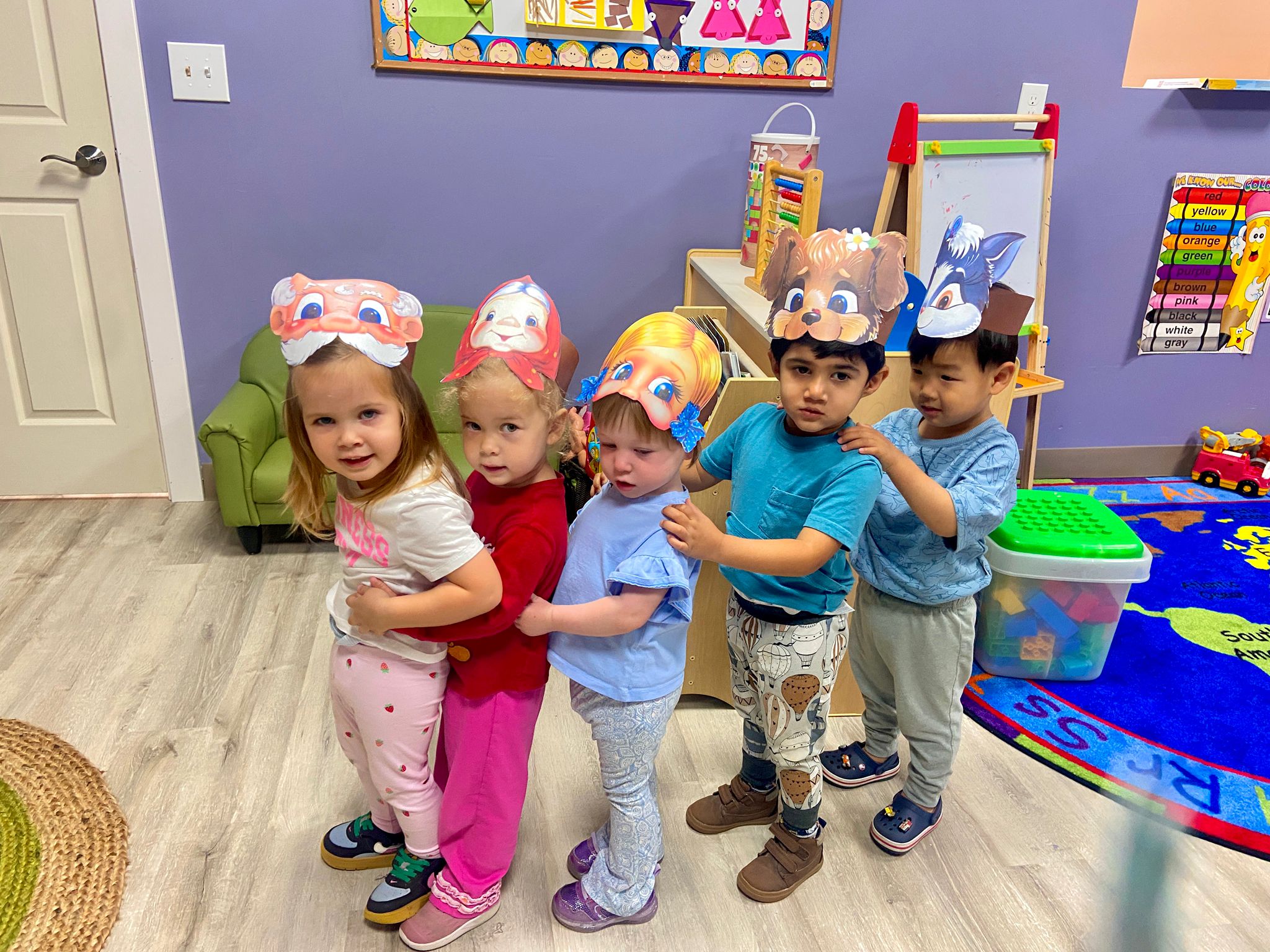
Many parents focus only on heritage language early on—but this can delay bilingual development. Learn why kids need both languages from the start.
Read article →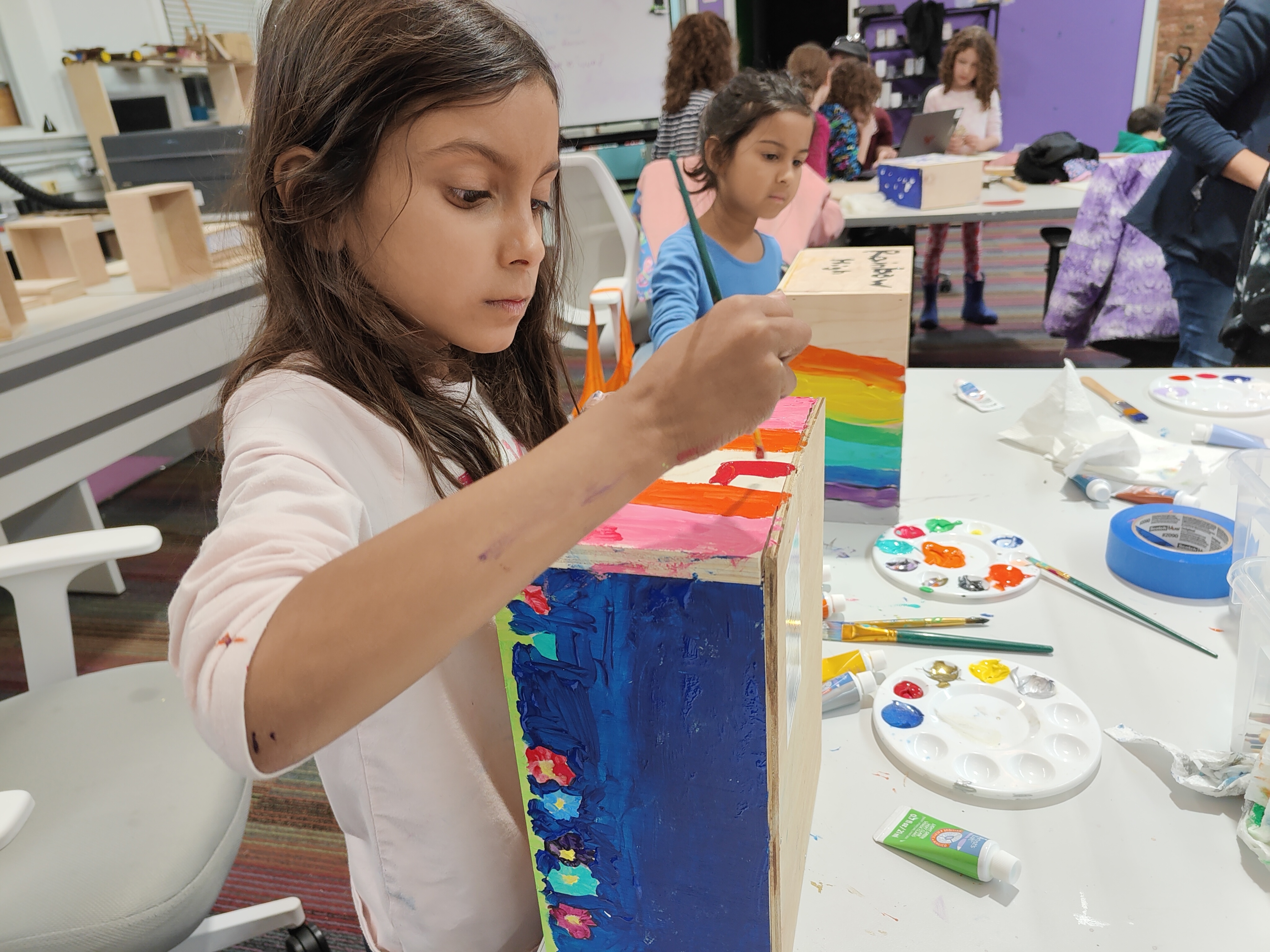
This article explores why the U.S. approach to kindergarten is developmentally out of sync—and what science and global best practices reveal about what 5-year-olds truly need. From delayed school starts in Finland and Estonia to free, play-based early childhood programs in Russia, Sweden, and beyond, we uncover how later academics and early emotional growth lead to better outcomes for children—and how Global Children School offers a developmentally aligned alternative.
Read article →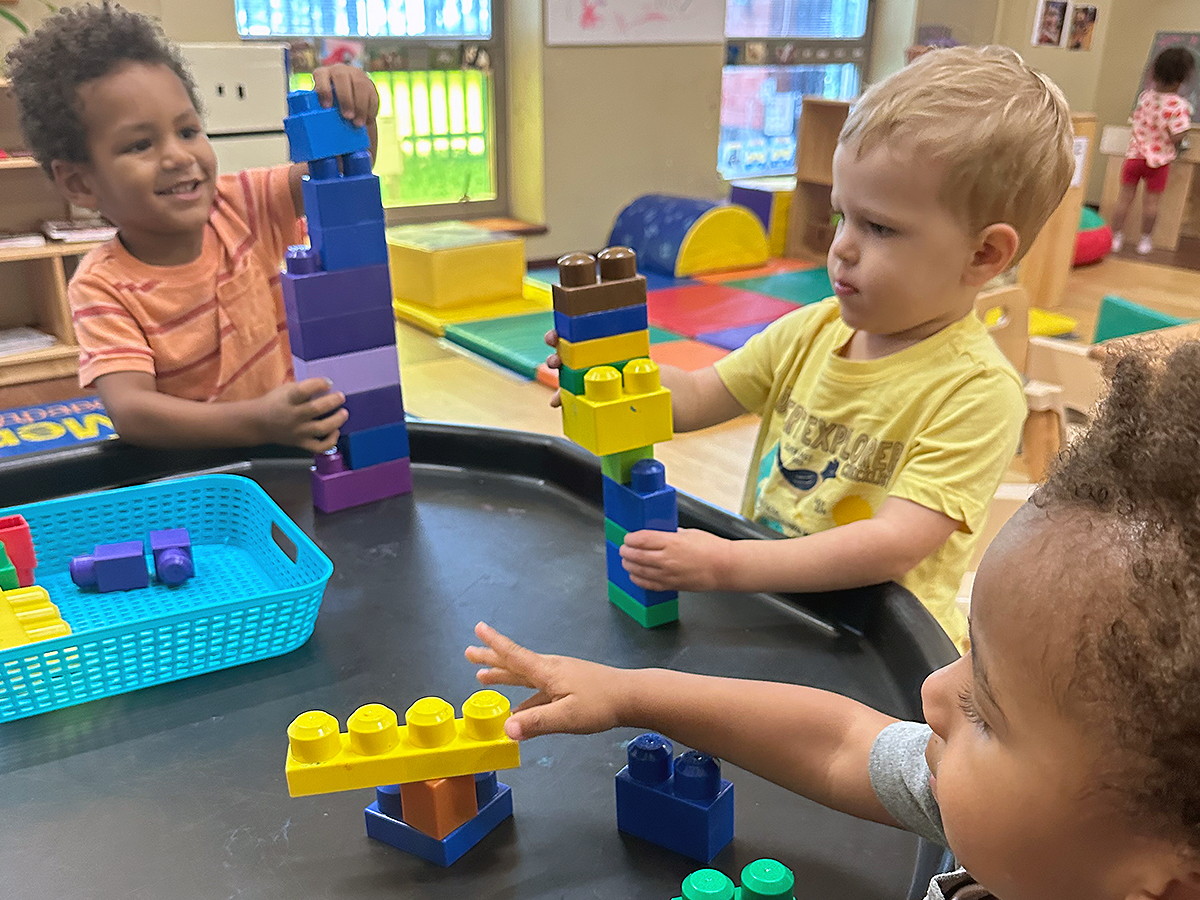
Understanding the difference between real intelligence and early performance — and why it matters for your child’s future.
Read article →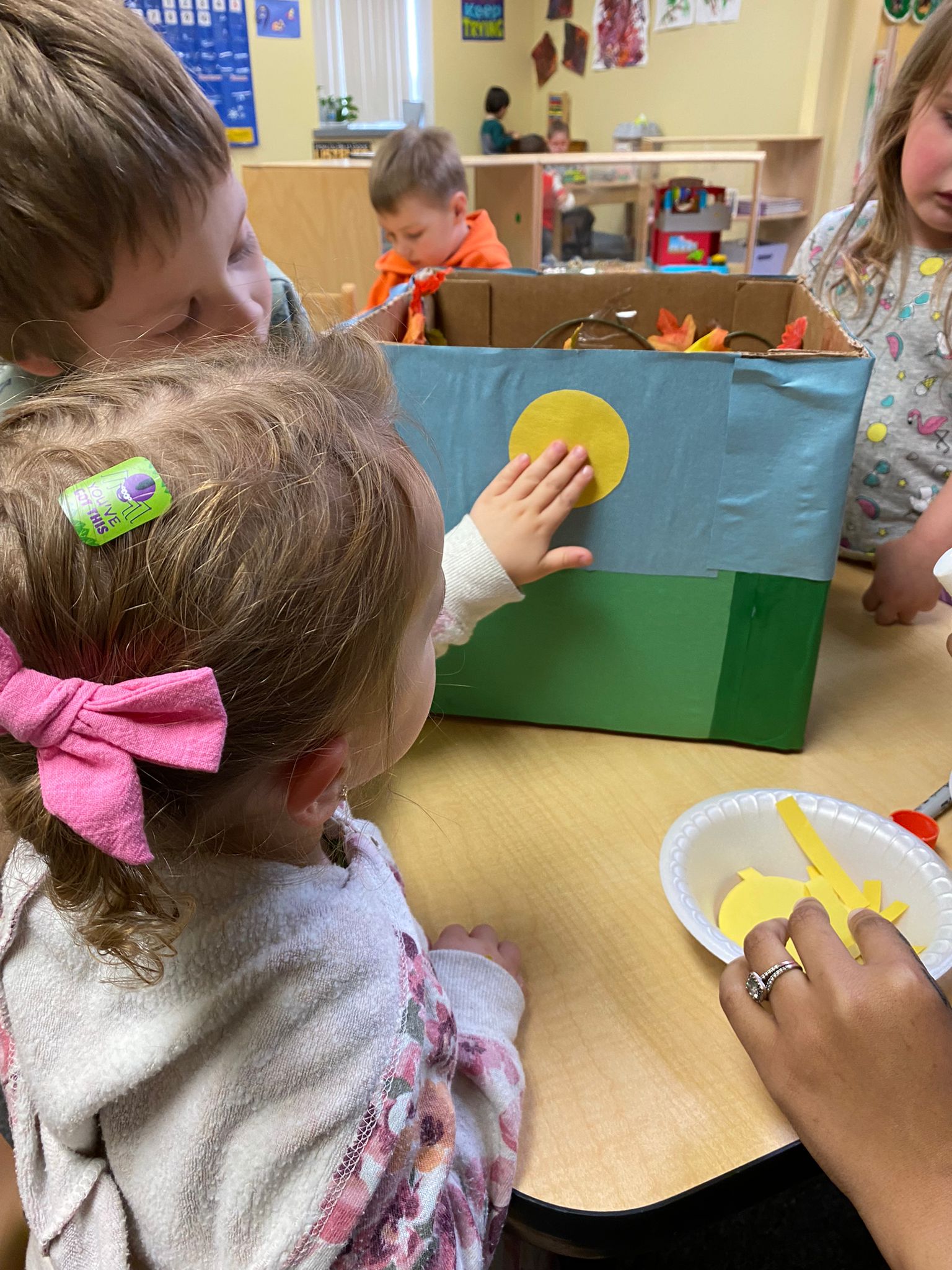
Intentional play in daycare is purposeful, guided exploration where children learn through hands-on experiences, rich environments, and thoughtful teacher support. It’s not random—it’s rooted in curiosity, connection, and discovery. With the right materials, time, and educator involvement, play becomes the foundation for deep learning, social growth, and creative thinking.
Read article →
Bilingual education shouldn’t be a privilege — it should be the norm. Discover why universal bilingual schooling benefits every child, what research says about early language learning, and how Texas schools are already leading the way.
Read article →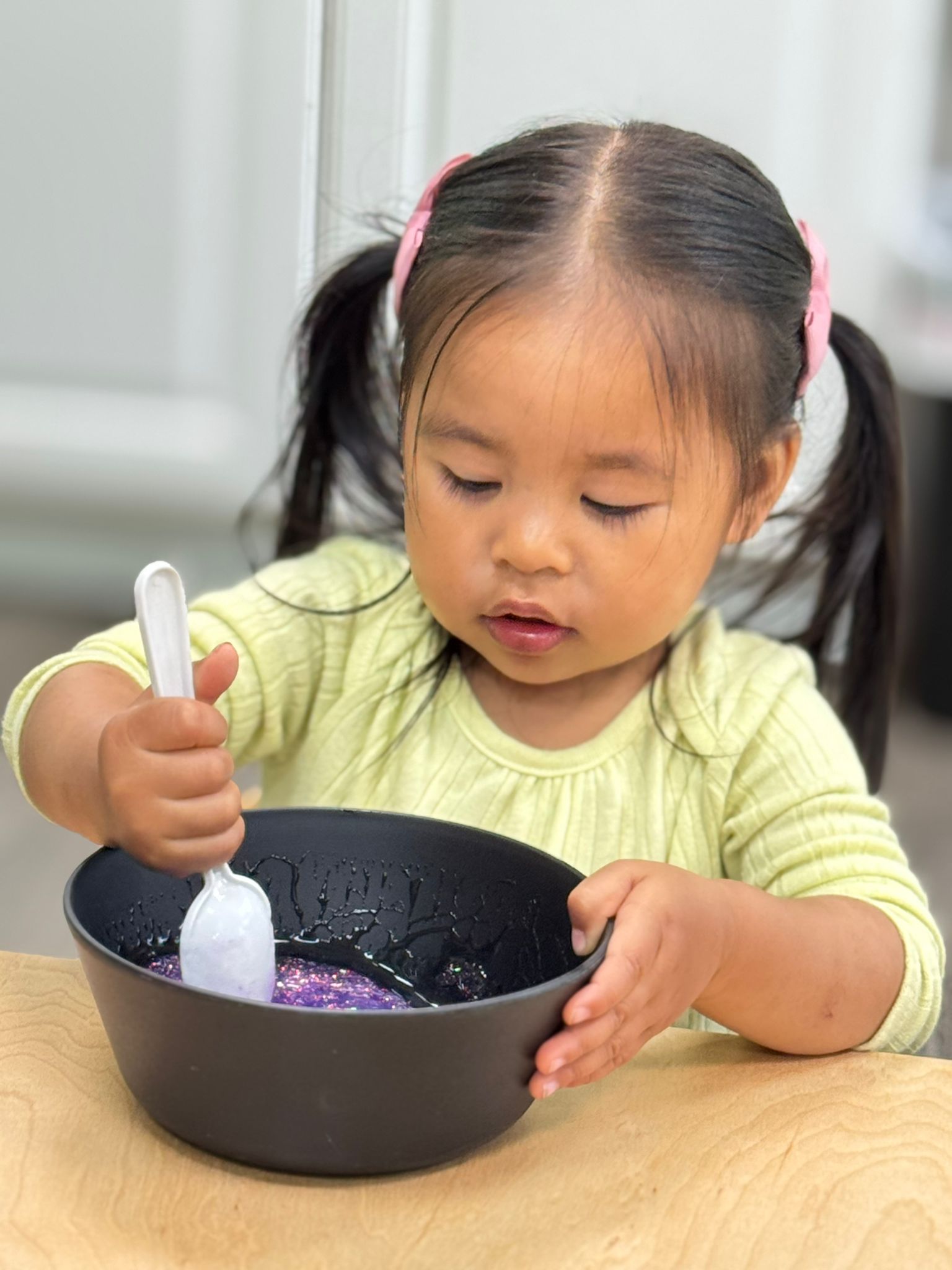
It was a rainy Saturday. I had planned it all: puzzles, Play-Doh, a puppet show, a color-sorting game, snack time with a story, and maybe even a little…
Read article →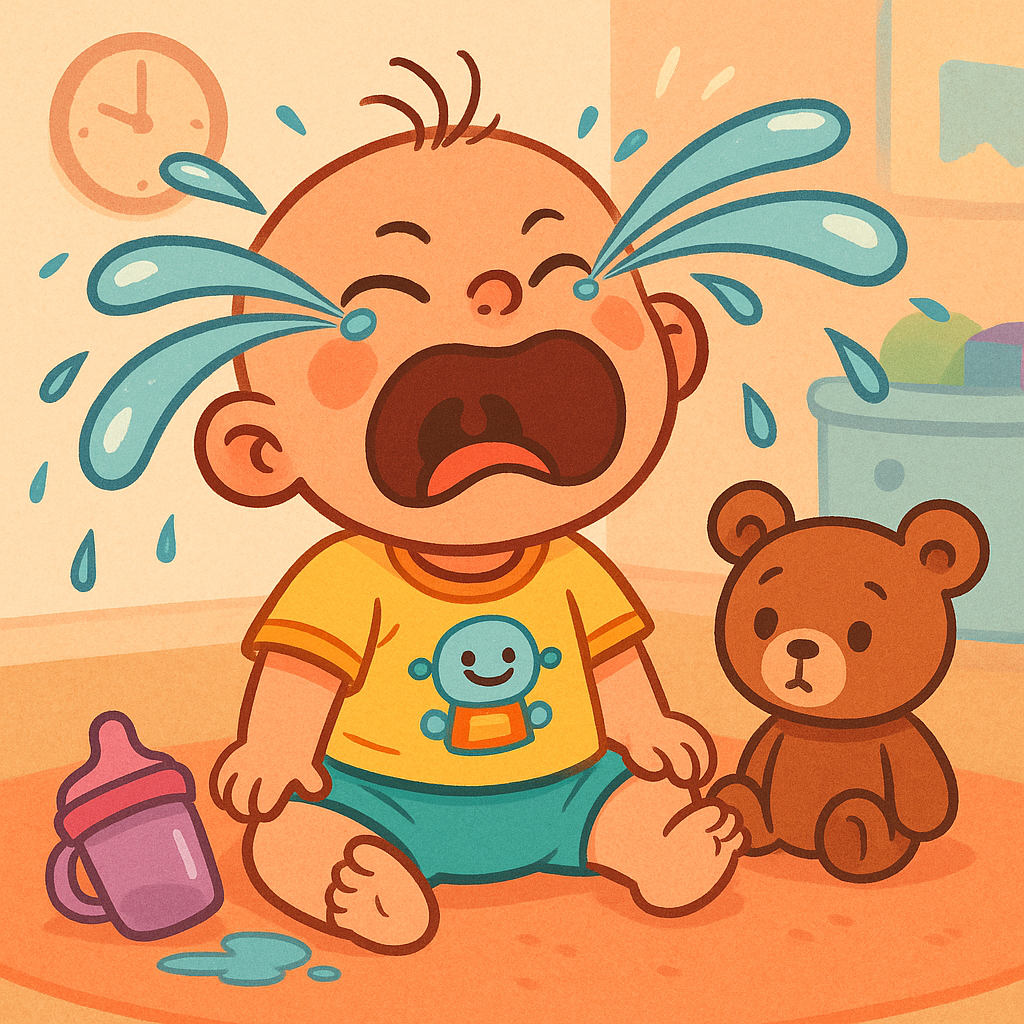
It was 4:17 PM when it happened. I had just picked up my 3-year-old from daycare, my hands full with a lunchbox, artwork, and a snack she refused to eat…
Read article →
Discover why young children pick up languages with such ease. From their extraordinary ability to hear every sound at birth to the brain’s natural language “window,” early childhood is the perfect time for multilingual learning. Learn the science, the benefits, and simple ways parents can nurture language development at home.
Read article →One journey, five stages
Keep learning with us