Identity & Belonging
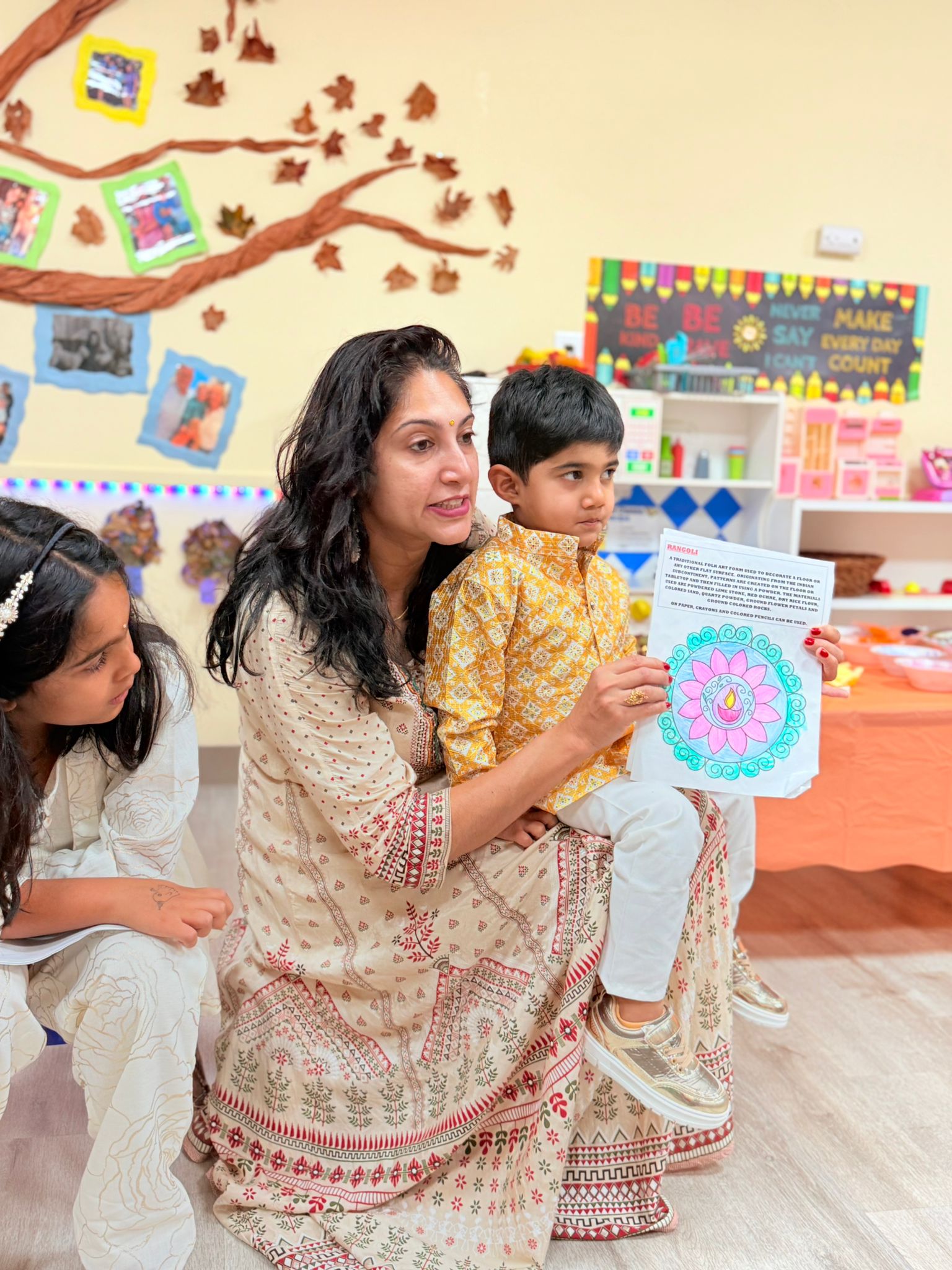
A child should not have to erase a home language, family history, or cultural identity to participate fully in a wider community.
Roots · Relationships · Secure belongingEarly Global Education · The GCS Philosophy
Early Global Education is GCS’s child-centered philosophy combining multilingual and multicultural experience, intentional play, daily project-based inquiry, whole-child development, and learning environments designed around the child.
The belief beneath the practice
Early childhood is when identity, communication, curiosity, and relationships begin taking shape. Early Global Education connects those foundations to languages, people, ideas, and the wider world.
Meet our school →A useful next step
Receive program details, daily-life information, and practical guidance for choosing the right GCS campus and start date.
Our philosophy, plainly stated
Early Global Education is GCS’s child-centered philosophy for the earliest years. It unites multilingual life, intentional play, daily projects, whole-child development, and learning designed around the child.
Children should not have to choose between family identity and full participation in the wider world. Early Global Education develops both strong roots and global competence.
The six foundations
A child should not have to erase a home language, family history, or cultural identity to participate fully in a wider community.
Roots · Relationships · Secure belongingLanguages live in relationships and real communication. They build connection, interpretation, flexibility, and access to other ways of seeing.
English · Spanish · Russian · Family languageClear purpose, safety, and structure remain strong while pathways, supports, language, pace, materials, and forms of participation adapt to the learner.
The system serves the learnerPlay is the child’s mode of participation. Projects provide purpose and continuity; inquiry adds questions, testing, connection, and revision.
Play-based · Project-driven · Inquiry-centeredLanguage, cognition, physical development, creativity, practical life, relationships, and ethical participation grow as one connected system.
Curiosity · Communication · Flexibility · CareFamilies are not peripheral audiences. Their languages, knowledge, practices, and aspirations are part of the learning environment.
Continuity · Family voice · Shared knowledgeThe learning relationship
Children investigate, build, encounter change, test, revise, and share. Teachers design the conditions, connect ideas, add language and materials, and protect developmental goals.
See how the philosophy grows by age →What children develop
We observe both knowledge and learning behavior: initiative, communication, flexibility, connection, collaboration, persistence, reflection, and revision.
Families strengthen this work by sharing home language, history, knowledge, and aspirations. Children keep their roots while expanding their ability to participate.
One journey, five stages
See the philosophy in practice